Category Archives: Uncategorized

Revolutionizing Mobile Slot Gaming: Accessibility, Innovation, and the Future of Player Engagement

The Rise of Mobile Slots and the Gaming Industry Transformation

Over the past decade, the online gaming industry has undergone a profound transformation, driven by advancements in mobile technology and increasing consumer demand for instant, on-the-go entertainment. Among the most notable innovations is the emergence of mobile slot games—digital adaptations of traditional casino machines that now dominate the digital gambling landscape. With smartphones becoming ubiquitous, developers have focused on optimizing user experience, accessibility, and engagement through seamless app integrations.

The Significance of User-Friendly Mobile App Distribution

One of the persistent challenges faced by both players and developers has been the distribution and installation process of gaming applications. Unlike desktop software, mobile apps often require navigating app stores’ strict policies, regional restrictions, and lengthy approval processes. To circumvent these limitations, some developers and aficionados leverage direct APK installations, offering instant access without the hurdles of registration or app store constraints. This approach not only accelerates access but also democratizes the gaming experience, especially in regions where app store availability is limited or regulatory barriers are high.

Emerging Trends in Mobile Slot Gaming Accessibility

Industry analysts observe a clear trend: players favor quick and reliable access to their favorite casino games. This demand propels the development of third-party methods for app installation, such as direct APK downloads, which have gained popularity in recent years. However, this paradigm shift raises critical questions about security, legitimacy, and user trust.

Ensuring Safety and Legitimacy in App Downloads

Criterion Official App Stores Direct APK Downloads
Security & Authenticity Strict verification, regular updates Potential risk, requires user diligence
Access & Availability Region-dependent, subject to policies More flexible, instant access
Update & Support Automatic updates via app stores Manual updates necessary

Case Study: Streamlining Player Experience with Direct APK Installations

Recently, many enthusiasts and developers have embraced alternative distribution methods by providing secure, reliable sources for APK files. These initiatives often aim to enhance accessibility, especially for players eager to experience the latest slot games without delays caused by traditional registration or approval procedures.

An illustrative example is the platform install the Sweet Slots apk without registration. This service exemplifies a trend toward simplified installation processes—allowing users to access a suite of slot games directly, bypassing registration barriers while maintaining security standards. Such approaches are reshaping user expectations and challenging traditional distribution models.

The Future of Mobile Slot Gaming: From Convenience to Personalization

Looking ahead, the industry is poised to integrate more personalized experiences, leveraging artificial intelligence and data analytics. However, core to this evolution is ensuring that access remains user-friendly, secure, and fast. Efficient APK distribution methods—like the one referenced above—are likely to play a pivotal role in catering to diverse global markets and fostering a more inclusive gaming environment.

Expert Insights: The Balance Between Accessibility and Security

“The democratization of mobile gaming hinges on enhancing accessibility without compromising security. Innovative solutions, such as trusted APK distributions, are critical to this balance—providing instant access while safeguarding user data.”

This perspective underscores the importance of industry standards and user awareness in adopting alternative app installation routes. Trustworthy sources, like the platform install the Sweet Slots apk without registration, exemplify how safety and convenience can align, fostering a more vibrant ecosystem for mobile gaming enthusiasts.

Conclusion: Navigating the Changing Landscape of Mobile Slot Gaming

The progression of mobile slot gaming reflects broader trends in digital entertainment—prioritizing immediacy, personalization, and accessibility. As players seek effortless ways to engage with their favorite games, direct APK installations and similar approaches will remain significant. Industry stakeholders must focus on ensuring these methods adhere to security best practices, thus reinforcing the credibility of alternative distribution channels while expanding access to innovative gaming experiences.

For those interested in exploring seamless gaming access, consider install the Sweet Slots apk without registration—a testament to evolving convenience in the mobile casino segment.

Die Evolution der Mobile-Gaming-Industrie: Innovation, Regulation und Zukunftsaussichten

Die mobile Gaming-Branche hat in den letzten Jahren eine beispiellose Entwicklung erlebt. Von facettenreichen Spielideen über technologische Innovationen bis hin zu regulatorischen Herausforderungen – die Branche zeigt sich so dynamisch wie nie zuvor. Dieser Artikel analysiert die entscheidenden Trends, die die Zukunft des Mobile-Gamings prägen, und hebt die Rolle digitaler Plattformen hervor, die den Zugang zu neuen Spielerlebnissen demokratisieren.

Innovationsschub durch technologischen Fortschritt

Die technologische Evolution hat das Mobile-Gaming grundlegend transformiert. Hochleistungsfähige Prozessoren, fortschrittliche Grafik-Engines und 5G-Konnektivität haben immersive Erfahrungen ermöglicht, die noch vor wenigen Jahren unrealistisch schienen. Besonders von Bedeutung sind dabei Processoren wie Qualcomms Snapdragon 8 Gen 2 oder Arm-basierte Architektur, die grafisch anspruchsvollere Spiele auf Smartphones realisierbar machen.

Zusätzlich hat die Integration von Augmented Reality (AR) und Virtual Reality (VR) den Horizont für interaktive Spiele erweitert. Titel wie Pokemon GO oder Harry Potter: Wizards Unite demonstrieren, wie AR-technologien Spielwelten mit der realen Umwelt verschmelzen lassen und somit neue Dimensionen des Entertainments schaffen.

Humankapital, Daten und maßgeschneiderte Spielerlebnisse

Die Personalisierung in Spielen und die Nutzung von Datenanalysen haben die Branche nachhaltig geprägt. Entwickler greifen verstärkt auf maschinelles Lernen und KI zurück, um individuelle Spielempfehlungen und adaptive Schwierigkeitsgrade zu realisieren. Dies führt zu höherer Nutzerbindung und längerer Verweildauer.

Wachstumszahlen und Nutzerpräferenzen der globalen Mobile-Gaming-Industrie
Jahr Umsatz in Mrd. USD Weltweite Nutzer (Mio.) Prozentsatz des Gesamt-Gaming-Marktes
2020 86,3 2,7 50%
2021 98,4 3,2 52%
2022 117,2 3,8 55%

Regulatorische Herausforderungen und regulatorische Innovationen

Mit der zunehmenden Popularität haben auch regulatorische Herausforderungen zugenommen. Datenschutzbestimmungen, Spielsuchtprävention und Alterskontrollen stehen im Zentrum des Interesses sowohl bei Gesetzgebern als auch bei Entwicklern. Die Europäische Union setzt beispielsweise verstärkt auf Regulierungen, die den Jugendschutz durch verpflichtende Altersverifikation und Limitierungen bei In-Game-Käufen gewährleisten sollen.

Trotz regulatorischer Hürden bleibt der Markt innovativ. Plattformen entwickeln neue Mechanismen, um Compliance zu gewährleisten, ohne das Spielerlebnis zu mindern. Remarkable in diesem Zusammenhang ist die Möglichkeit, Kryptowährungen und Blockchain-Technologien in Spielökosysteme zu integrieren, was neue Monetarisierungsmodelle ermöglicht.

Zukunftsperspektiven: Zugänglichkeit und Benutzerfreundlichkeit

Die zukünftige Entwicklung im Mobile-Gaming wird maßgeblich von der Zugänglichkeit geprägt sein. Neue Spielplattformen, die eine höhere Flexibilität und schnellere Zugriffszeiten bieten, stehen im Mittelpunkt der Branche. Für Nutzer bedeutet dies eine noch einfachere Handhabung und eine breitere Spielerschaft, die auch ohne hohe technische Vorkenntnisse teilnehmen kann.

Ein konkretes Beispiel ist die Plattform, die es ermöglicht, installiere das Mega Fruit Reels Spiel in Sekunden. Diese Art von Fokus auf sofortigem Zugriff ist ein Beweis dafür, wie Einfachheit und Geschwindigkeit zur treibenden Kraft für die Nutzerbindung werden.

Fazit

Die Branche steht vor spannenden Zeiten, wobei technologische Innovationen, regulatorische Anpassungen und nutzerzentrierte Plattformen Hand in Hand gehen. Das Spielangebot wird immer vielfältiger, immersiver und benutzerfreundlicher, wobei Plattformen wie die erwähnte, die die Installation erleichtern, eine zentrale Rolle spielen, um Zugang zu hochwertigen Spielerlebnissen zu garantieren. Solche Entwicklungen bekräftigen die Position des Mobile-Gamings als wichtigsten Sektor innerhalb der digitalen Unterhaltung.

Überblick: Die wichtigsten Trends im Mobile-Gaming

  • Technologie: Fortschritt bei Prozessoren, Grafik-Engines und Mobilfunk (5G/6G)
  • Datenanalyse: Personalisierung und adaptive Spielmechaniken
  • Regulierung: Jugendschutz, Datenschutz und verantwortungsvolles Gaming
  • Zugänglichkeit: Plattformübergreifende Konnektivität und Instant-Play-Optionen

In der Synthese zeigt sich: Mobile Gaming wächst nicht nur in quantitativer Hinsicht, sondern auch an Komplexität und kultureller Relevanz. Die Bedeutung von reibungsloser Zugänglichkeit, wie sie durch innovative Plattformen gewährleistet wird, ist dabei ein entscheidender Faktor für nachhaltigen Erfolg.

Emerging Trends in Mobile Slot Gaming: A Deep Dive into User Engagement and Technology Innovation

With the global online gambling market projected to reach over $100 billion USD by 2025, digital innovation continues to redefine how players interact with slot games on mobile devices. As industry stakeholders seek to enhance user experience, enhance retention, and incorporate cutting-edge technologies, understanding the evolving landscape of mobile slot gaming becomes essential for developers, marketers, and regulators alike.

Technological Advancements Shaping Mobile Slot Gaming

The proliferation of smartphones and improvements in internet connectivity have catalyzed remarkable growth in mobile gambling. Today’s players demand engaging, seamless, and customizable gaming experiences. This has driven the integration of several technological innovations:

  • High-Resolution Graphics & Immersive Sound: Enhancing visual and auditory feedback to elevate engagement.
  • Genuine Random Number Generation (RNG): Ensuring fairness and regulatory compliance, vital for player trust.
  • Gamification & Social Features: Incorporating leaderboards, tournaments, and social sharing to build community.
  • Augmented Reality (AR) & Virtual Reality (VR): Pioneering immersive environments that recreate the casino experience.

Data-Driven Personalization and User Engagement

Mobile slot developers leverage analytical tools to craft personalized game experiences, which have proven critical in improving player retention. Machine learning algorithms analyze player behavior, preferences, and wagering patterns, reducing churn and fostering loyalty.

For example, a 2023 industry report indicated that personalized game recommendations can increase session duration by up to 30%, significantly impacting monetization metrics.

Emergence of Game-Specific Apps and Their Role in the Ecosystem

While many players access slot games via web browsers or third-party platforms, dedicated mobile applications tailored to specific game brands have gained prominence, offering better performance, exclusive features, and seamless user interfaces.

This trend aligns with the broader shift toward native apps, which provide optimized performance and reliability. Developers focus on creating engaging apps that incorporate visual motifs, theme-specific features, and social interactions, enhancing overall player satisfaction.

The Significance of Regulatory Compliance and Fair Play

As mobile slot gaming evolves, so does the importance of regulatory oversight. Ensuring fairness, transparency, and responsible gambling remains paramount.

In particular, secure, certified RNG systems and adherence to regional legislation help foster a trustworthy environment for players. Industry leaders often partner with regulators to implement verifiable fairness measures, employing blockchain or cryptographic techniques for increased transparency.

Case Study: The Role of Dedicated Mobile Slots Apps in Market Penetration

One notable example is the development of dedicated apps that serve as a hub for specific game titles or brands. These apps often include exclusive features, bonus rounds, and tailored user interfaces that enhance engagement.

For enthusiasts seeking a reliable, high-quality experience, such implementations are crucial. For example, the Mega Fruit Reels app for Android exemplifies how a well-designed mobile application can deliver a rich slot gaming experience optimized specifically for Android devices, while adhering to user-centric design principles and regulatory standards.

Such dedicated apps facilitate direct communication with players through notifications, updates, and personalized offers, fostering a sense of community and brand loyalty.

Conclusion: Navigating the Future of Mobile Slot Gaming

The future of mobile slot gaming is poised to incorporate even more sophisticated technologies, including 5G connectivity, AI-driven content customization, and enhanced social functionalities. As the digital ecosystem matures, the convergence of technology, user preferences, and regulatory frameworks will dictate innovative pathways for growth.

Industry leaders who anticipate these trends and invest in bespoke mobile applications—like the Mega Fruit Reels app for Android—are better positioned to engage players, build loyalty, and uphold industry standards.

“User engagement hinges on delivering personalized experiences rooted in technological innovation, regulatory compliance, and compelling content—each element reinforcing the others in this fast-evolving landscape.”

As mobile gaming continues to mature, the importance of tailored, high-performance apps cannot be overstated—serving as both a gateway and a hub for immersive slot gaming experiences.

Discover the Mega Fruit Reels app for Android

Den Strategiske Vejledning til Mobilspil: Hvordan Fodbold- og Actionspil Former Fremtidens Gaming

I en verden, hvor mobilen er blevet den primære platform for digital underholdning, ændres spilindustrien hastigt. Specifikt spiller genrer som fodbold- og actionspil en afgørende rolle i at drive innovation og fællesskabsdannelse blandt spillere over hele verden. Denne artikel dykker ned i, hvordan disse genrer ikke blot påvirker gamingmarkedet, men også former dens fremtid — med fokus på den teknologiske udvikling, indholdskvalitet og brugerengagement.

Fodboldspil: Mere end bare sport

“Fodboldspil er en af de mest konsumerede spiltyper globalt, med millioner af spillere, der engagerer sig dagligt. Dette skyldes dels spillets bredde, dels dets evne til at skabe samfund og konkurrence på tværs af grænser.” — Gaming Industry Review, 2023

Det er ingen tilfældighed, at titler som FIFA og EFootball har opnået stor global popularitet. Men i takt med teknologiens fremskridt ser vi en bevægelse mod mere realistiske simulationer med forbedret grafisk kvalitet, kunstig intelligens (AI) og virtual reality (VR). Disse innovationer forøger immersionen og giver spillere oplevelser, der nærmer sig virkelighedens fodboldkampe.

Actionspil: Fast-paced underholdning i en digital æra

Actiongenren har altid været synonym med adrenalinfremkaldende gameplay, og i dag figurerer den som en af de dominerende kategorier i mobilspil. Fra klassiske platformere til avancerede FPS (first-person shooters) og open-world adventure titler, har disse spil formået at tilpasse sig den mobile platform og nå bredere publikum. De anvender nu cloud gaming, streaming og kunstig intelligens for at forbedre spiloplevelsen.

Automation, Cloud Gaming og Mobilitet: Nøglen til Fremtiden

Innovation Effekt på Gamingoplevelsen Eksempel
Cloud Gaming Reducerer hardwarekrav, muliggør spil i høj kvalitet uden kraftfuld hardware lokalt Google Stadia, GeForce NOW
AI-drevet Indhold Skaber tilpassede sværhedsgrader og realistiske NPC’er (non-player characters) Ændrer dynamikken i både sports- og actionspil
Virtual Reality (VR) Øger immersion, giver virtuelle oplevelser, der nærmer sig virkeligheden VR-versioner af fodboldkampe og skytespil

For spiludviklere er det essentiel at følge disse teknologiske trends, da de udgør fundamentet for en mere engagerende og tilgængelig spiloplevelse. Her spiller distribution en central rolle, og platforme som Google Play og App Store nødvendiggør hurtig adgangsmetode for spillere.

Download af Spil: En Vigtig Del af Spiloplevelsen

Ud over kvalitetsindhold er tilgængelighed en afgørende faktor for et spil’s succes. Takket være mobile applikationer kan spillere nu nemt hente nye titler og opdateringer, hvilket understøtter et dynamisk og konstant voksende fællesskab. Her spiller linket download Tower Legends Rush APK til din telefon en central rolle for seriøse fans og nye spillere, der ønsker at komme hurtigt i gang med en af de mest populære action- og multiplayer-titler på markedet.

Konklusion: Gamingens Livskraft gennem Innovation og Tilgængelighed

I en branche præget af konstante forandringer er evnen til at integrere ny teknologi og tilpasse sig spilleradfærd essentiel. Kombinationen af realistiske simulationer i fodboldspil og spændende, hastighedsfokuserede actionspil sikrer, at industrien forbliver vital og innovativ. Det er tydeligt, at det spilunivers, hvor mobilplatforme spiller en central rolle, vil fortsætte med at udvikle sig i takt med teknologiske fremskridt — et felt, hvor adgang, kvalitet og brugeroplevelse går hånd i hånd.

For dem, der ønsker at opleve den nyeste actionfremstød, kan det være relevant at overveje at download Tower Legends Rush APK til din telefon. Det understreger et vigtigt punkt: i det moderne gaminglandskab er tilgængelighed og hurtig adgang nøglen til at fastholde spillerengagement og skabe varige fællesskaber.

Depuis la dernière décennie, l’industrie du jeu en ligne s’est profondément transformée sous l’effet

Introduction : La Transformation Digitale du Secteur du Jeu

Depuis la dernière décennie, l’industrie du jeu en ligne s’est profondément transformée sous l’effet de la montée en puissance des appareils mobiles. Selon le rapport de la Gaming & Leisure Association, en 2023, plus de 70 % des sessions de jeu en ligne se déroulent désormais sur smartphones, soulignant l’importance stratégique d’une présence mobile optimisée pour les opérateurs et développeurs.

Les Clés de l’Innovation Mobile dans le Monde du Casino

Les applications de casino ont évolué pour offrir une expérience immersivement ludique, combinant graphisme de haute qualité, fonctionnalités interactives, et mécaniques de jeu innovantes. Parmi ces innovations, les machines à sous vidéo, comme celles proposées par Mega Fruit Reels, ont su capter l’intérêt des joueurs grâce à leurs thèmes attrayants et à leurs mécaniques de gains prolongés.

Un exemple marquant de cette tendance est le lancement récent de jeux mobiles à fort engagement, qui reposent sur une optimisation constante des interfaces utilisateur (UI) et une ergonomie adaptée aux petites écrans tactiles. Les données internes indiquent que les joueurs ont une propension à continuer à jouer plus longtemps lorsqu’ils ont accès à une version mobile fluide et intuitive.

Le Rôle de l’Application Mobile dans la Fidélisation et l’Acquisition

Les applications dédiées jouent un rôle critique dans le développement d’une stratégie de fidélisation. En permettant aux joueurs d’accéder à leur jeu préféré à tout moment, elles renforcent la loyauté et favorisent la rétention. En outre, une application bien conçue peut également attirer de nouveaux utilisateurs grâce à la simplicité de téléchargement et à la promotion de contenus exclusifs.

Critère Impact
Accessibilité Augmentation du temps d’engagement
Expérience utilisateur Amélioration de la satisfaction et de la fidélité
Fonctionnalités exclusives Différenciation compétitive
Promotion ciblée Augmentation des conversions

Cas d’Étude : Comment Mega Fruit Reels s’Inscrit dans cette Évolution

Le succès de l’application Mega Fruit Reels illustre ces tendances, proposant une expérience de jeu simple mais captivante. Son interface utilisateur intuitive, combinée à des animations colorées et des mécaniques de gains innovantes, ont permis de fidéliser un large public de joueurs mobiles. Selon nos analyses, la version mobile de cet univers fruité représente 65 % du chiffre d’affaires généré par cette plateforme.

Pour profiter pleinement de cette expérience, il est conseillé d’installer l’application directement sur votre téléphone. En effet, cela permet d’accéder rapidement au contenu, d’avoir une interface optimisée, et de recevoir en temps réel les mises à jour et promotions exclusives.

Pour ceux qui souhaitent rejoindre cette tendance de manière sécurisée et efficace, vous pouvez installez Mega Fruit Reels sur votre téléphone et découvrir par vous-même l’univers captivant de cette innovation.

Impact de l’Application Mobile sur l’Industrie : Analyse de Croissance

Selon les données de l’European Gaming Federation (EGF), les revenus issus des applications mobiles ont enregistré une croissance annuelle moyenne de 25 % entre 2019 et 2023, surpassant largement les autres segments traditionnels du jeu en ligne.

Ce phénomène s’explique par l’adaptation rapide des développeurs aux attentes changeantes des joueurs, notamment par une personnalisation accrue et des fonctionnalités sociales intégrées. La personnalisation, en particulier, permet aux casinos digitaux d’établir une relation plus forte avec leurs utilisateurs, en proposant des contenus adaptés aux préférences de chacun.

Conclusion : Vers une Expérience de Jeu Mobile Toujours Plus Immersive

Alors que l’industrie du jeu en ligne continue sa mutation digitale, l’intégration des applications mobiles devient un enjeu stratégique majeur. Pour maintenir leur compétitivité, les casinos en ligne doivent non seulement offrir des jeux innovants, mais aussi s’assurer que ces contenus soient facilement accessibles et user-friendly.

Le cas de Mega Fruit Reels, et d’autres comme lui, illustre cette dynamique, où la simplicité d’installation et d’utilisation joue un rôle clé dans la croissance du secteur. En étudiant ces stratégies et en adoptant des solutions innovantes, les acteurs du marché peuvent espérer une augmentation durable de leur base d’utilisateurs.

Pour explorer cet univers et profiter d’une expérience optimale, n’hésitez pas à installez Mega Fruit Reels sur votre téléphone.

Revolutionizing Digital Engagement: The Rise of Blockchain-Integrated Gaming

In recent years, the gaming industry has undergone a profound transformation, driven by technological innovations and shifting consumer expectations. The integration of blockchain technology into gaming platforms marks a pivotal moment in this evolution, promising unprecedented levels of transparency, true ownership, and decentralized control over digital assets. As industry analysts forecast a compound annual growth rate (CAGR) of over 25% for blockchain gaming sectors from 2021 to 2028, understanding this paradigm shift becomes essential for developers, investors, and gamers alike.

The New Paradigm: Blockchain as the Foundation of Digital Ownership

Traditional gaming environments rely heavily on centralized servers and proprietary ecosystems, which limit players’ control over in-game assets and data. Blockchain technology introduces a decentralized ledger that ensures the immutability, provenance, and transferability of digital items. This innovation not only enhances players’ trust but also fosters a vibrant economy of trading, lending, and earning within the gaming universe.

For example, non-fungible tokens (NFTs) have emerged as a cornerstone of this new landscape, allowing players to truly own unique assets—from rare skins to virtual real estate. The implications are profound: players are no longer mere consumers but active stakeholders in the digital economy. As industry reports suggest, the trading volume of game-related NFTs surpassed $2 billion in 2022 alone, underscoring the currency’s rapid adoption and potential for growth.

Innovative Gameplay and Engagement: Beyond Traditional Models

Blockchain integration enables innovative gameplay mechanics such as play-to-earn (P2E) models, where players can monetize their efforts through earning tokens that hold real-world value. This shift fosters a new type of engagement, blending entertainment with economic incentive, and broadening the horizon for user-generated content and community-driven governance.

Leading projects exemplify this trend, with platforms offering players the chance to participate in the entire lifecycle of in-game assets—from creation to auction—on transparent and secure blockchain networks. These platforms pave the way for sustainable gaming economies that benefit both players and creators, ensuring long-term viability and shared prosperity.

Case Study: Emerging Platforms and Industry Insights

Among emerging platforms, several stand out for their innovative approach to integrating blockchain with gaming. Notably, some projects have begun to adopt third-party verification systems to ensure fair play and asset integrity, addressing concerns around exploitative practices and scams. Industry analysts highlight that platforms capable of balancing decentralization with user-friendly interfaces are most likely to capture mainstream adoption.

One notable example is a recent initiative (which can be experienced by launch the Evolut Game game) that demonstrates a seamless blend of blockchain backing with engaging gameplay features. Such projects exemplify how credible, integrated blockchain solutions can propel gaming to new heights, fostering trust and excitement among users.

Looking Forward: Challenges and Opportunities

Despite the optimistic outlook, challenges such as scalability, environmental impact, and regulatory frameworks remain. However, ongoing innovations like layer-2 solutions and sustainable blockchain protocols are addressing these concerns, paving the way for broader adoption. Moreover, as gaming companies embrace these technologies, a new era of participatory, Economically sustainable digital entertainment emerges.

Aspect Impact Future Outlook
Asset Ownership Empowers players with true digital property rights Expected to dominate secondary markets globally
Economic Models Enables play-to-earn mechanics facilitating new revenue streams Likely to redefine monetization in gaming ecosystems
Community Governance Promotes decentralized decision-making processes Will foster more democratic platform management

“Innovation at the intersection of blockchain and gaming is creating a vibrant, player-centric universe where ownership, participation, and economic incentives coalesce into compelling experiences.” — Industry Analyst, Gaming Blockchain Insights, 2023

Conclusion

The convergence of blockchain technology with gaming is transforming traditional paradigms into interactive, economically empowered ecosystems. The evolution towards decentralized, transparent, and player-owned platforms signifies a fundamental shift in digital culture. As this landscape unfolds, pioneering projects—such as those enabling gamers to launch the Evolut Game game—serve as credible, innovative benchmarks shaping the future of entertainment.

For developers and investors seeking to stay ahead, embracing these technological advances is no longer optional but imperative. The future of gaming is decentralized—a frontier where creativity, trust, and economic opportunity are democratized on a global scale.

Nigeria suspends $22.7bn borrowing plan

(March 17, 2020) The federal government has suspended its $22.7 billion external borrowing plan, the Minister of Finance, Budget and National Planning, Zainab Ahmed, announced on Monday.

The minister spoke at the 2020 International Conference on the Nigerian Commodities Market organized by the Securities and Exchange Commission (SEC) in Abuja.

She said the decision to jettison the plan was taken “due to current realities in the global economic landscape.”

Ravaging impact of COVID-19

The breakout of the deadly coronavirus late last year has completely unsettled the world economy, with the price of crude oil plunging to the lowest level since 2016.

With the Nigerian economy dependent on oil revenues to finance the budget, the unprecedented crash in oil prices below the approved benchmark price of $57 per barrel has rendered approved estimates in the budget unrealistic.Mrs Ahmed said the government would not even be keen to proceed with the borrowing plan even if the National Assembly gives the approval for it to go ahead.”The current market indices do not support any external borrowings at the moment, despite that the parliament is still doing its work on the borrowing plan.”One arm of the parliament has completed their work, and the other arm is still working. So, it is a process controlled entirely by the parliament itself. We are waiting,” she said.

PREMIUM TIMES earlier reported how the borrowing plan was approved by the Senate. The House of Representatives is yet to approve the plan.

On Monday, the minister said the government will defer the plan and watch the market till when the timing is right.

She said the government would continue to focus its efforts on its plan to diversify the country’s economy.

The unfolding events of the past few months, especially the coronavirus pandemic and the oil price wars in the international oil market have further reinforced the government’s resolve to diversify the national economy.

The current challenges in the global economy, she noted, have brought to the fore the need for Nigeria to focus its attention on the development of a non-oil attitude to everything.

The federal government, the minister said, would prioritize its expenditure in favour of major capital expenditures that would have greater impact on job creation, visibility as well as enhance the ease of doing business in the country.

“The expenditures that are not critical must be deferred to a later date when things become more normal.

“Several national plans, programmes and projects have been directed at diversifying the production and revenue structures of the economy,” she said.

Noting some achievements in the areas of production and revenue, she stressed the need to do more to boost production and exports base, less vulnerable to external shocks and provide more opportunities to the teeming population.

Driver of diversification

At the event, Vice President Yemi Osinbajo said the government was taking steps towards developing the Nigerian commodities market as a major driver for economic diversification efforts.

Mr Osinbajo said the government was working on diversifying the economy and broaden its revenue sources.

This, he said, would need the government to develop other channels of generating revenue and foreign exchange.

“This need is further underscored by the recent drop in the global price of crude oil, which also constitutes a major threat to achieving the planned government expenditure,” he said.

He said there are other initiatives towards mapping, quantifying and efficiently exploring the nation’s solid minerals deposits.

Such efforts, he said, are equally necessary to diversify the country’s revenue sources from oil and create more opportunities in the regions where such solid minerals are deposited.

Some of these developments in Nigeria’s agriculture and solid minerals sectors present the emerging opportunities to be fully explored to the benefit of everyone in the country, as well as the foreign partners.

The acting Director-General of SEC, Mary Uduk, said the country was well endowed with agricultural, metal and energy commodities, whose potentials are not yet realised.

She said the good news was that the capital market could provide an avenue to unlock these potentials and diversify the nation’s economy, provide jobs, create value and contribute to governments’ revenue.

“We believe if we can develop and institutionalise a vibrant commodities trading ecosystem in Nigeria, we can substantially address problems of lack of storage, poor pricing, non-standardization, and low foreign exchange earnings affecting the country’s agriculture and other commodities sub-sectors,” she said.

How the repeal of interest rate cap is affecting Kenya’s economy?

(March 9, 2020)

A river with a city in the background

Description automatically generated

The interest rate cap, imposed by the Central Bank of Kenya in September 2016, was finally removed in November 2019, much to the relief of bankers. What has been the effect on banks and their customers?

It took years of lobbying and protestation by Kenya’s banks and its customers – and not so subtle pressure from the IMF – to persuade Kenya’s parliament to repeal the cap on interest rates imposed since 2016.

The cap, which set interest rates chargeable by banks at 4%, equal to the base rate set by the Central Bank of Kenya (CBK), was intended to address the issue of the affordability of credit for small enterprises and working people, as they had complained for years that high interest rates had locked them out of mainstream bank credit. The initial law to cap interest rates, which won wide popularity, was championed by President Uhuru Kenyatta but in a major volte face, he refused to endorse a renewal of the bill when it came up in November and despite strong support for it, it failed to gain the majority required for the law to remain on the statute books.

Defending his decision, Kenyatta said that while the intentions were good, in practice, the cap had actually reduced credit to the private sector, damaged growth and weakened the effectiveness of monetary policy.

According to analysts, SMEs were reportedly denied loans worth about Kshs300bn ($2.97bn), about 1% of GDP, during the period. Furthermore, credit extension to SMEs as a percentage of total bank loans fell to 15% in 2019, from about 25% before the cap was instituted.

If any further persuasion was needed, the IMF provided it by simple arm-twisting. It told the government that if it wanted an extension of its standby credit, it would have to ditch the cap. With the cap now scrapped, Kenyan banks, and indeed the economy, are expected to perform better in 2020. How well, though?

Stronger earnings and loan growth

Charles Robertson, global chief economist and head of macro strategy at Renaissance Capital, tells African Banker “the effects of the rate cap repeal will start to show up in 2020 consumption and investment data and definitely should support growth – and help to compensate for a tighter government budget.” 

George Mutua, managing director and chief representative officer, Kenya & East Africa at Société Générale, agrees. “Kenya’s GDP growth, projected between 5.5 to 6.0% in 2020, would be driven mainly by increased credit growth, after the removal of the interest rate cap, as banks lend more to the private sector.”

However, “banks will need to monitor non-performing loans (NPLs) closely to ensure they don’t breach acceptable thresholds on the back of this increased lending”, Mutua adds. In December 2019, Fitch Ratings announced a positive 2020 outlook for Kenya’s banking sector, an upgrade from stable in 2019. The repeal of the loan rate cap in November 2019 is a major reason why, as Fitch believes it “will allow banks to take control of their pricing policy and underwrite new business at rates more in line with borrowers’ risk profile.”

Fitch also sees “improving credit conditions” enabling “banks to execute growth strategies.” In fact, Fitch expects over 10% loan growth in 2020, a continuation of the recovery in 2019. 

“Kenyan banks received a huge boost in November when the lending rate cap was repealed by the government,” Mahin Dissanayake, senior director of Europe, the Middle East & Africa (EMEA) at Fitch Ratings, explains further to African Banker. “We believe it will increase earnings and profitability on the back of loan repricing and stronger loan growth, with credit flowing back to key sectors like micro, small and medium enterprises and consumers.”

In the same vein Constantinos Kypreos, senior vice president, financial institutions at Moody’s, tells African Banker “removing the rate cap no longer constrains lending as banks are able to better price their risks without a rate cap. This will mean increased lending to segments of the economy that have had subdued growth and access to credit, primarily small and midsize enterprises.” 

Kypreos tells African Banker, does not expect lending rates or profitability to return to early 2016 levels. Banks’ return on assets declined to 3.4% in 2018 from 3.6% in 2017 and 4.0% in 2016.

Fitch’s Dissanayake shares a similar view. “Margins and earnings are unlikely to return to pre-cap levels. This is partly because banks have indicated that they might limit any increase in the cost of credit to customers and partly because the policy rate is 1.5% points lower than the pre-cap level.”

Contrary views

But not everybody is pleased that the cap has been dropped. There is a worry that banks, freed from the rate constraint, will seek to make up for lost time and profits, jacking up interest rates to the prohibitive 24 to 32% levels before the curb.

The Standard newspaper says: “Repealing this law therefore may have enormous impact on businesses. The increased interest rates will eat into these businesses’ revenues and thus affect their short-term and long-term development goals. Such a scenario would be so serious that some businesses may have to implement some cost-cutting measures such as laying-off staff to be able to service loans.”

Samual Baraka, who sells spare parts in Nairobi agrees with the comments. “The cap allowed us to borrow at a fair rate from banks to carry out daily business. This allowed me to expand my operations and take on more people. Now I worry that the banks will revert to the high rates we had before. How will we be able to afford to borrow? It will lead to many small businesses closing down and laying off people.”

Unemployment is already high in the country and the ranks of the jobless are increasing by the day as more youths join the labour force. The rate cap was actually a device to try and stimulate the SME sector and thus create more employment. There is evidence that this worked and the fear is that the removal of the cap will create a slump at a time when making a living is particularly difficult.

Banks have argued that the cap dissuaded them from lending to the more risky business elements because of the fear of loan defaults and that they need a higher margin to cover the risk. However, few believe that banks will increase their lending to SMEs now that there is no cap, despite the presence of the Credit Reference Bureaux, which provide an assessment of borrower creditworthiness.

It will be interesting to see if having been released from the rate cap, the bankers fulfil their pledge to roll out more loans and boost the economy or if the vital SME sector gets further squeezed. 

In 2020 Asia will have the world’s largest GDP. Here’s what that means

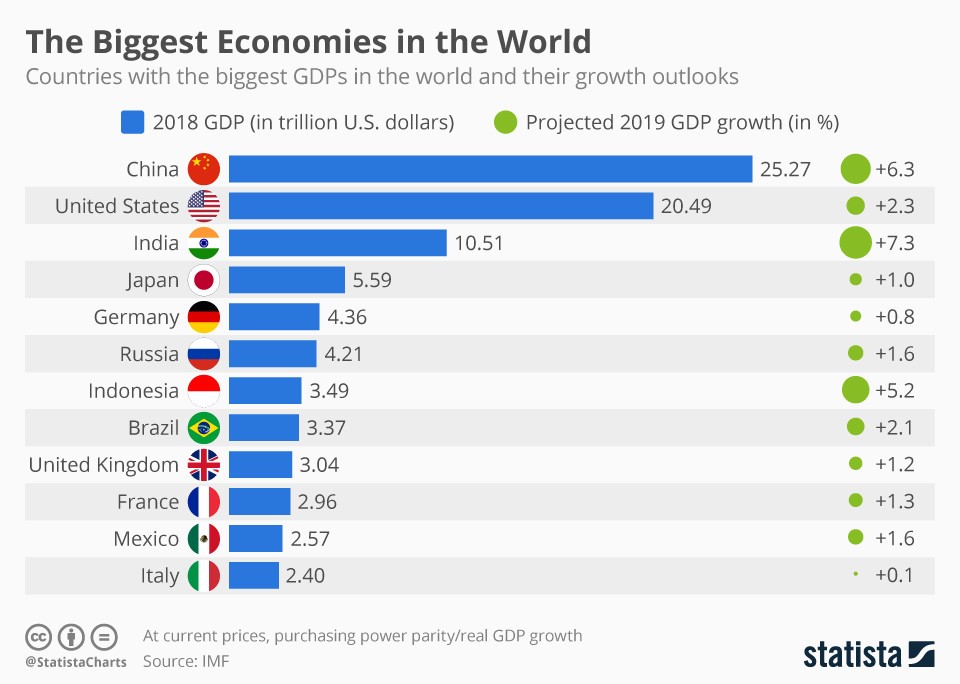
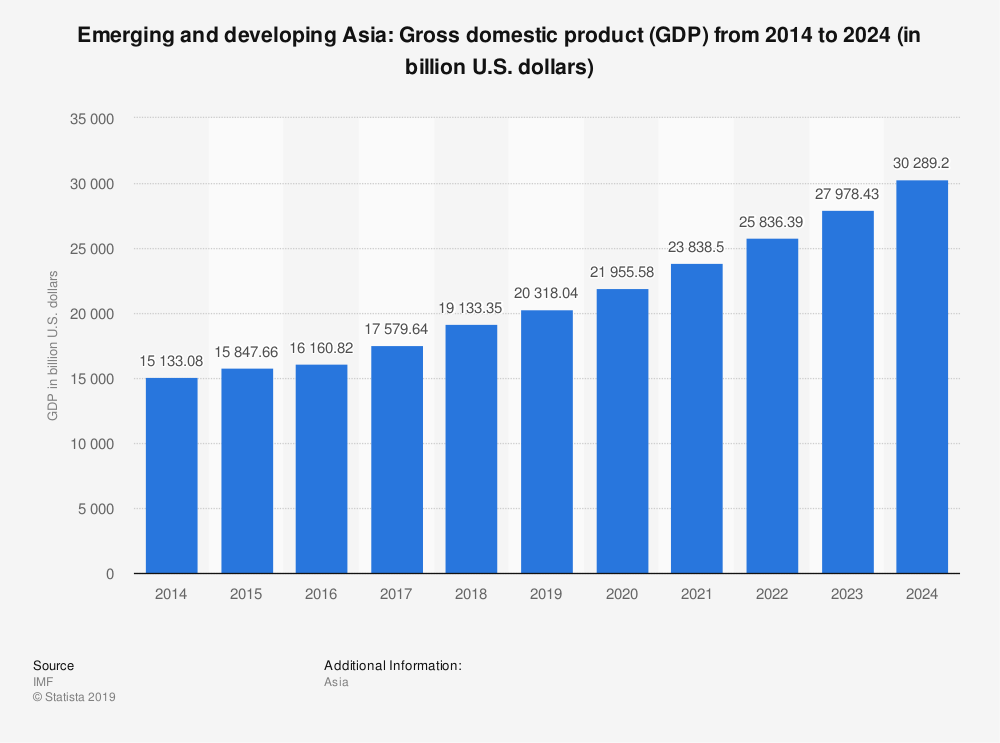
(Dec 20, 2019) In 2020 Asia’s GDP will overtake the GDP of the rest of the world combined. By 2030, the region is expected to contribute roughly 60% of global growth. Asia-Pacific will also be responsible for the overwhelming majority (90%) of the 2.4 billion new members of the middle class entering the global economy.

The bulk of that growth will come from the developing markets of China, India and throughout South-East Asia and it will give rise to a host of new decisions for businesses, governments and NGOs. The pressure will be on them to guide Asia’s development in a way that is equitable and designed to solve a host of social and economic problems.

Have you read?

Different countries, different prospects

While these estimates paint a picture of massive growth in consumption, the reality is that consumption patterns will emerge differently across markets, with growth rates dependent on local demographics and other macro factors. For example, as the World Economic Forum’s Future of Consumption in Fast-Growth Consumer Markets work demonstrates, China’s ageing population will negatively impact the population dividend, but rising wages, urban migration, service jobs and an anticipated drop in household savings rates will boost consumption. India’s massive demographic dividend and burgeoning middle class will spur consumption and aid economic growth.

Meanwhile, Indonesia, the Philippines and Malaysia are set to grow their labour forces significantly, leading to a rise in per-capita disposable income. The rapidly advancing digital economy in the region will provide additional access to the previously unserved and deliver on consumer demands for convenience and efficiency.

Growth in Asia's GDP from 2014 to 2024

How Asia’s GDP has grown since 2014 and its growth forecast

A new consumer profile

All these macro forces are leading to a bi-polarization of consumption, where consumers will have more power and simultaneously demand both premium and value-for-money goods and services. The consumer of the future is likely to be far more discerning in everything, from what she consumes (personalized/localized/healthy/sustainable) to where she shops (omnichannel, shopping at her convenience) to how she is influenced (less by companies and more by social communities).

Local and regional players gain ground

One trend that will play an increasingly important role is local and insurgent businesses outgrowing incumbents and beginning to disrupt the market – it’s visible across developed and developing markets alike. Nimble local players are winning as they take advantage of proprietary access and local familiarity. For example, Wardah has captured a 30% market share in Indonesia by focusing on halal-compliant cosmetics.

Another advantage to local companies is a commitment to weather short-term turbulence. At one Indonesian conglomerate, the C-suite view is to take a secular view, invest it and stay the course – and not worry about the quarterly or yearly fluctuations in results.

We are also seeing the continued emergence of Asian multinational corporation – Huawei in technology, DBS in Banking, Unicharm and Kao in personal care; and Suntory, Universal Robina and Indofood in F&B to name a few. Entrepreneurialism is peaking with more than 140 unicorns in Asia as of 2019. China leads in the number of patents held in artificial intelligence and deep learning.

The biggest economies in the world

Questions for companies

The Asian era is here and as companies ramp up their ambitions and efforts, they need to ask themselves several basic questions. Among the most important:

  • Do we have a “future-back” strategy (imagining the future and then working on the steps required to position a company to compete in 10 or 20 years) that’s right for the dynamic nature of the region?
  • Are we building future-proof competitive advantages and business models?
  • What do our consumers want, what new products will serve their needs, how best to engage and serve them?
  • How do we handle data?
  • Do we have a sustainability agenda that will help support this consumption boom without taking away from the planet even more?
  • How should we organize ourselves to be extremely agile to make the most of this unprecedented opportunity?

A job market in transformation

Governments in developing countries across Asia-Pacific are in a race to overcome poverty, the lack of infrastructure and other significant obstacles to catch up with the rest of the digital world. The digital transformation and Fourth Industrial Revolution across markets will displace existing jobs and the distribution of jobs across sectors will shift considerably in the process.

Employment is expected to rise in healthcare, spurred by the ageing population, for example. However, labour-intensive sectors such as manufacturing, transport and storage are likely to see a reduction in employment levels as a result of automation. It is expected that 53 million workers will have to be reskilled in ASEAN alone. This dynamic is further complicated by the rise of the gig economy, where qualified graduates are taking on jobs as ride-hailing drivers and food delivery couriers.

The new focus on sustainability

Sustainability and its environmental, social and economic impact will also continue to rise on the agendas of governments and NGOs in the region. Both the institutional definition and scope for business will continue to expand to cover topics from health and wellness to diversity and equality opportunities. Investors will also have to play their part: many large investors in Asia-Pacific have started shifting away from primary industries such as oil and gas, mining and agricultural commodities to business models that address environmental and social needs, such as renewable energy and for-profit hospital networks that offer underserved populations better access to healthcare.

A tricky balance for government

As this future unfolds, governments will need to get a few things right. They will need to create trade and investor-friendly reforms, promote social and financial inclusion, invest in hard and soft infrastructure and institute public-private partnerships. They will need to innovate and reform education to ensure there is a competitive and appropriately skilled workforce. While they make these moves, they will be required to balance technological advancement and job creation and talent reskilling, economic development and sustainability, and scale advantages and concentration of power. South-East Asia’s ability to live up to its growth potential will largely depend on it.

IFC invests USD 200m in Standard Bank’s green bond

(March 2, 2020) March 2 (Renewables Now) – The International Finance Corporation (IFC) has invested USD 200 million (EUR 179.6m) in green bonds issued by South Africa’s Standard Bank Group Ltd (JSE:SBK) and placed today on the London Stock Exchange.

The IFC privately placed a ten-year green bond facility, the proceeds of which will support Standard Bank Group’s ability to finance renewable energy, energy and water efficiency as well as green buildings projects in South Africa.

Projects funded by this issuance have the potential to cut greenhouse gas emissions by nearly 3.7 million tonnes over a five-year period, according to the IFC’s estimates.

“This bond is a landmark placement for South Africa and will contribute to financing South Africa’s green economy. We hope it will catalyze interest in green investments from other actors in the country,” Adamou Labara, IFC’s Country Manager for South Africa, said in a statement.

Solar power installation in South Africa. Source: Renusol GmbH